A hazy headlight does not always look urgent in daylight. Then you drive home after sunset on Tyrone Boulevard or pass through a rainy stretch near I-275. You may also head toward the beaches after dark and notice the road ahead looks dimmer than it should. For drivers looking for headlight restoration in St. Petersburg, FL, the usual concern is simple: can the headlights be restored, or do they need to be replaced? Northwest Collision Center offers headlight restoration in St. Petersburg for cloudy, faded, and yellowed lenses. The right fix depends on whether the damage is on the lens surface or inside the headlight assembly.
Why Drivers Choose Headlight Restoration in St. Petersburg, FL
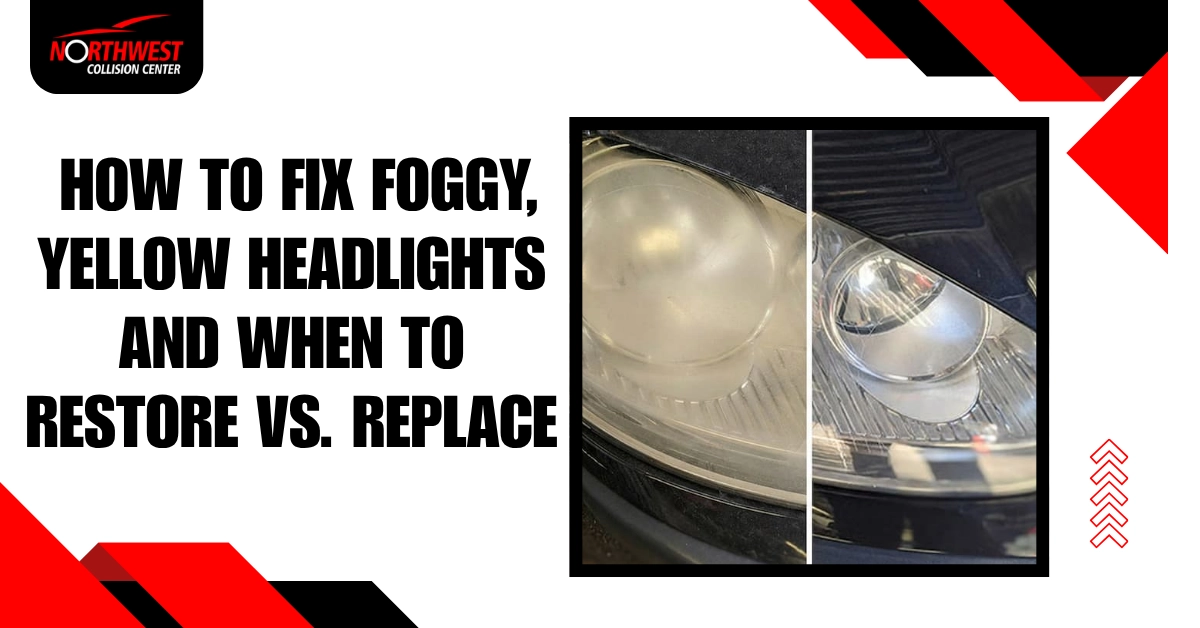
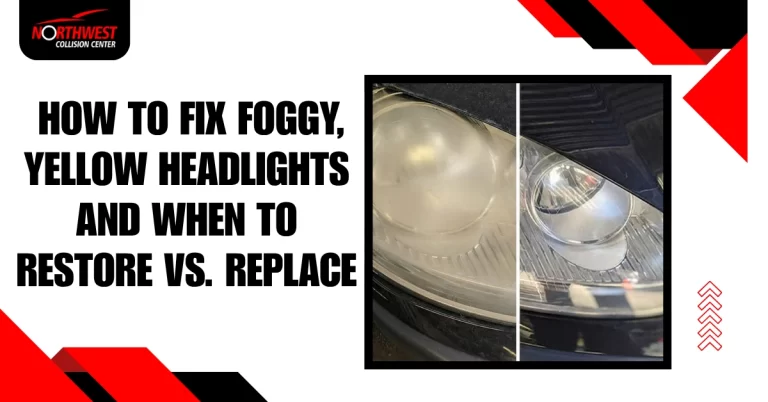
St. Petersburg drivers deal with intense sun, salt air, summer storms, and heavy evening traffic. That mix can wear down the outer coating on plastic headlight lenses and leave them dull, yellow, or cloudy. Clear headlights help you see farther, react sooner, and stay more visible to others. That matters on dark side streets, beach causeways, and busy Pinellas County roads where rain glare and traffic lights can already make visibility harder. Headlight restoration in St. Petersburg, FL, is most useful when the lens is cloudy but the housing is still intact. In that case, restoration may improve appearance and light output without replacing the entire assembly.
What Causes Foggy Yellow Headlights?
Cloudy headlights usually develop slowly. By the time they look noticeably yellow, the protective surface has often been breaking down for months or years.
Florida Sun and UV Exposure
Most modern headlight lenses are plastic, not glass. They come with a protective coating, but Florida UV exposure can weaken that layer. Vehicles parked outside near Tyrone Square, downtown St. Pete, Gulfport, or the beaches often show fading faster because the sun is steady year-round.
Road Film, Rain, and Coastal Air
Rainwater, road grime, bug residue, and salt-heavy air can accumulate on the lens. After afternoon storms, dirty water dries on the surface and can leave a film that makes already faded headlights look worse. After a few dim, rainy drives, it is easy to see why drivers start searching for headlight restoration near me.
Failed Lens Coating
Once the factory coating breaks down, the plastic underneath oxidizes. That oxidation creates the cloudy or yellow look. A basic wash may remove dirt, but it will not fix deeper lens damage.
Foggy Headlight Repair Options That Actually Work
A good repair starts with checking the condition of the lens. Some headlights only need light correction, while others need more careful sanding, polishing, and sealing.
Cleaning the Lens Surface
Cleaning removes dirt, bugs, and road film. It is the first step, but it is rarely a complete yellow headlights fix if the lens is already oxidized. If the headlight still looks cloudy after cleaning, the problem is likely in the worn outer layer of the plastic.
Sanding and Polishing Oxidized Plastic
Oxidized lenses often need controlled sanding to remove the damaged surface layer. The lens is then polished to bring back clarity. This step should be done carefully. Uneven sanding, harsh products, or too much pressure can leave scratches or haze. Northwest Collision Center approaches this type of finish work with the same care used across our auto body services in St. Petersburg, FL.
Sealing the Lens After Restoration
Polishing alone is not sufficient. Once the damaged layer is corrected, the lens needs a protective sealant to help slow future UV damage. Without a seal, the lens may look better for a short time and then turn cloudy again. A proper finish helps protect the restored surface from sun, moisture, and road debris.
When Should You Restore Headlights vs Replace Them?
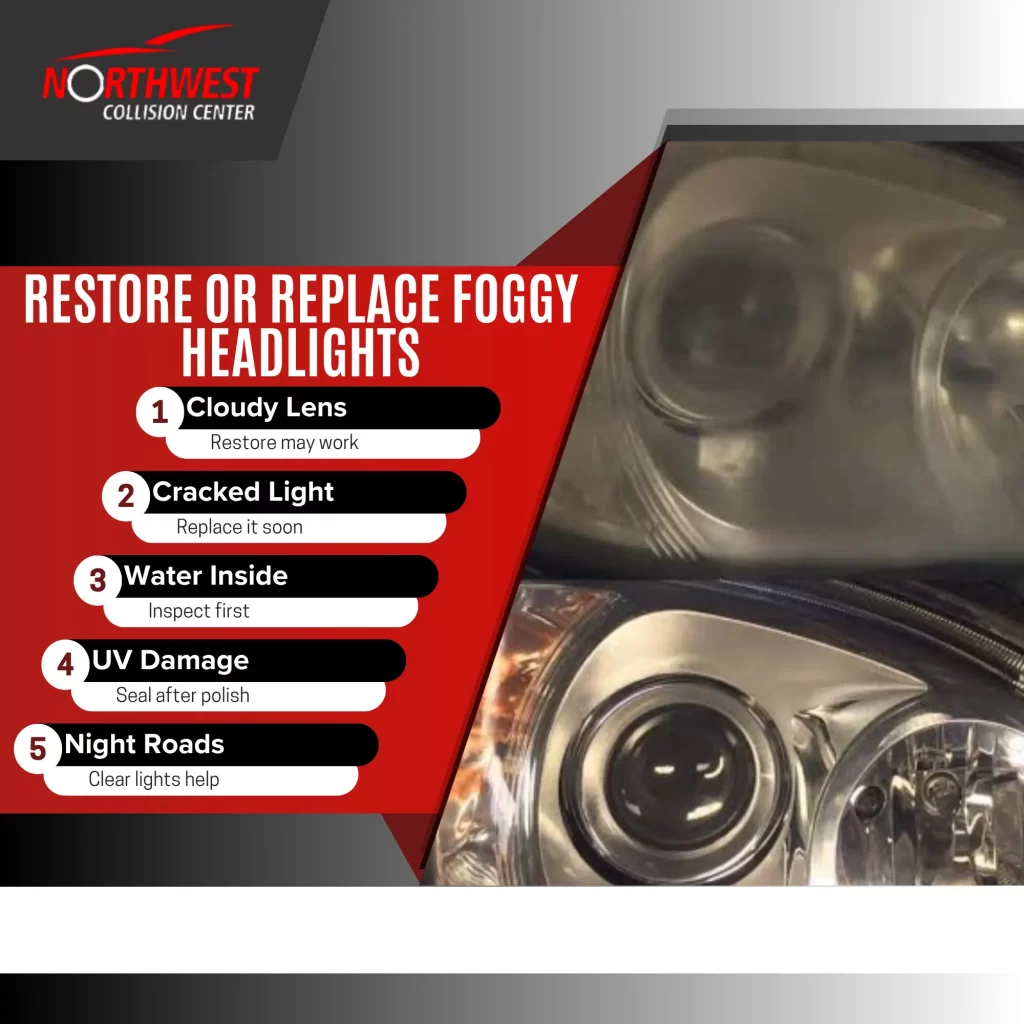
The question of whether to restore or replace headlights comes down to the condition of the lens and the assembly. Restoration can address surface damage. Replacement is usually better for structural or internal damage.
Restore When the Lens Is Cloudy but Solid
Restoration is often the right choice when the lens is yellow, hazy, scratched on the surface, or dull from sun exposure. If the housing is sealed, the tabs are secure, and the light is mounted correctly, restoration may be a smart first step. This can be especially helpful for daily drivers in St. Petersburg who want better night visibility without replacing parts that may still be usable.
Replace When the Housing Is Cracked or Leaking
Replacement may be needed if the headlight is cracked, loose, broken at the mounting tabs, or holding water inside. Moisture can damage bulbs, wiring, reflectors, and internal components. If the inside of the headlight looks fogged or wet, polishing the outside will not solve the full problem.
Inspect Headlights After Front-End Damage
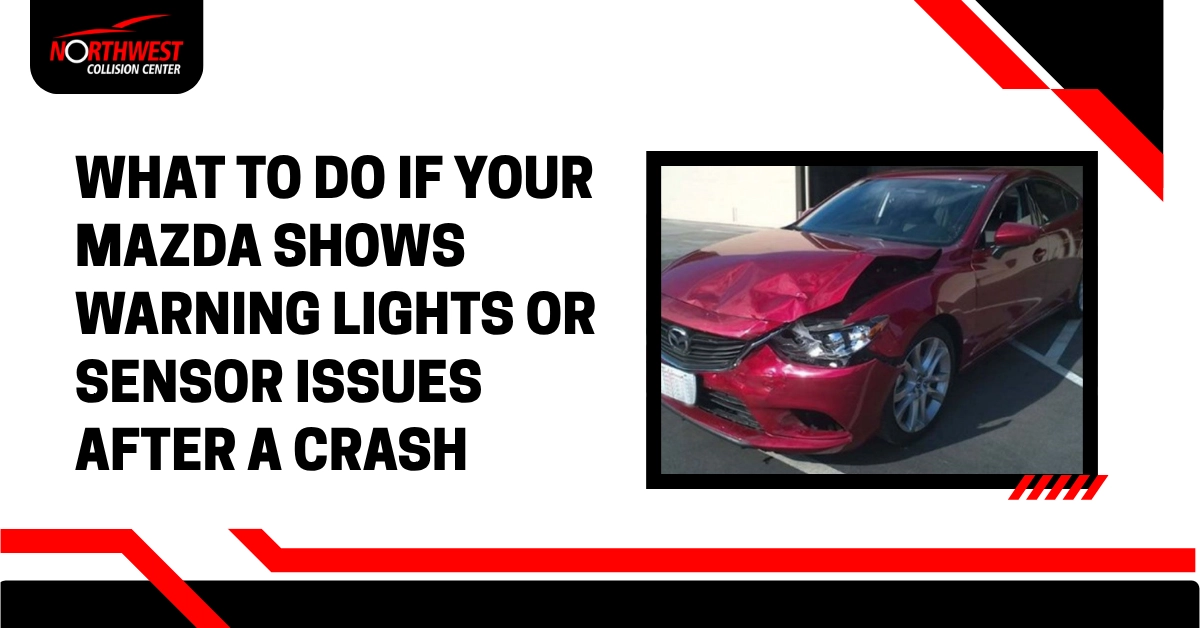
After a bumper impact or front-end collision, a headlight may look okay but still be misaligned, loose, or damaged behind the lens. That is why headlights should be checked as part of a proper repair inspection. Our auto body repair team can look at related bumper fit, brackets, panel gaps, and visible damage. For drivers who need collision repair in Pinellas Park, our team can help identify whether bumper, fender, or front-end damage needs repair, replacement, or further inspection.
Takeaways
Foggy or yellow headlights are common in Florida, but they should not be ignored. If the lens is oxidized on the surface and the housing is still solid, restoration can often improve clarity and nighttime visibility. Replacement becomes the better choice when the headlight is cracked, leaking, loose, or damaged after a collision. A simple inspection can help you avoid guessing and choose the repair that keeps your vehicle safer on St. Petersburg roads.
FAQs About Foggy and Yellow Headlights
Can foggy headlights be restored?
Yes, many foggy headlights can be restored if the cloudy appearance comes from surface oxidation. Restoration works best when the lens is intact and the headlight assembly is not cracked, leaking, or loose.
How long does headlight restoration last?
Results depend on sun exposure, parking habits, lens condition, and whether the restored surface is sealed. In St. Petersburg, outdoor parking, and daily UV exposure can shorten the life of an unprotected lens.
Is headlight restoration better than replacement?
Restoration is better when the lens is cloudy but the full assembly is still in good condition. Replacement is safer when the headlight has cracks, water intrusion, broken tabs, or collision-related damage.
Can I use a DIY kit on yellow headlights?
A DIY kit may improve light haze, but results can vary. If the lens is heavily oxidized, uneven, or already polished before, professional restoration may give a cleaner and longer-lasting result.
Why did my headlights turn yellow again?
Headlights often turn yellow again when the oxidized layer is not fully corrected or the lens is not sealed after polishing. Florida sun can quickly wear down an unprotected lens surface.
Get Clearer Headlights with Northwest Collision Center
If your headlights look faded, cloudy, or yellow, Northwest Collision Center can help you decide whether restoration or replacement makes sense. We can inspect the lens, check for cracks or moisture, and recommend a practical next step. For help with headlight restoration in St. Petersburg, FL, call 727-347-8945 or visit us at 3301 Tyrone Blvd. N., St. Petersburg, FL 33710. You can also contact us online to request help.